Careers and Advice
Meet our latest team members

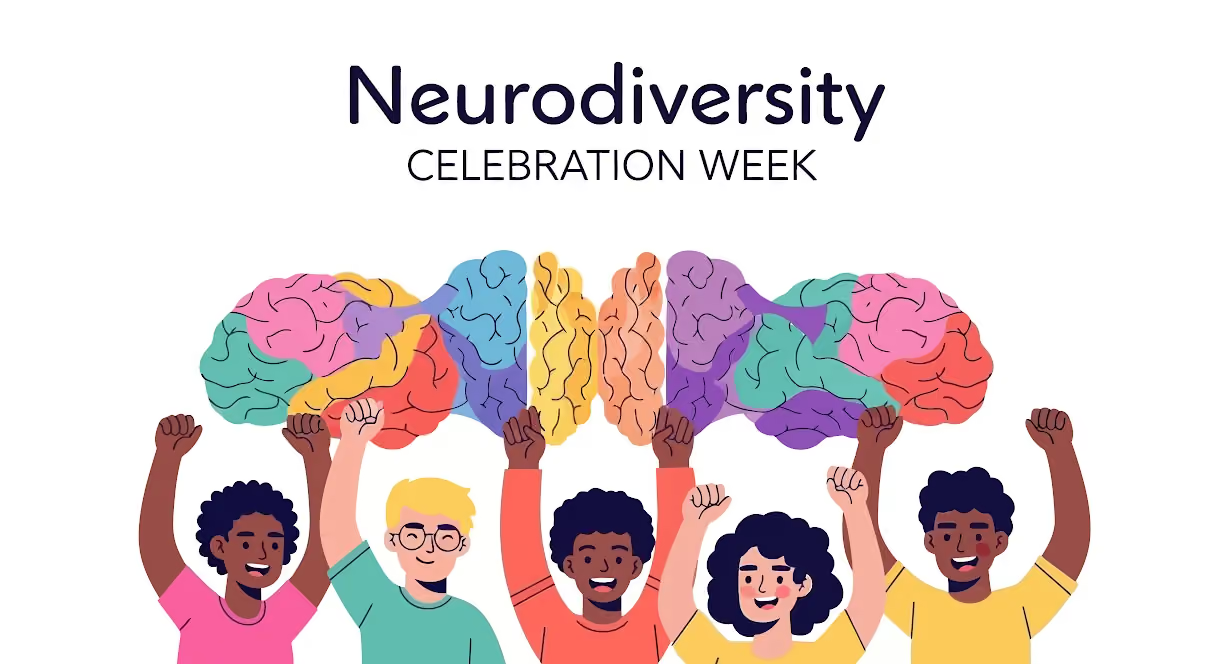
Neurodiversity Celebration Week is an essential time to recognise, celebrate, and advocate for the incredible diversity in the ways human brains function. Held annually to raise awareness about neurodiversity, this week encourages everyone to rethink how society perceives conditions like autism, ADHD, dyslexia, and other neurological variations. Instead of viewing these differences as deficits, Neurodiversity Celebration Week highlights the unique strengths and perspectives that neurodivergent individuals bring to the table.
This week offers an opportunity to promote inclusivity, understanding, and acceptance of people whose brains work differently from the majority. By fostering a society that celebrates neurodiversity, we can create a more supportive and open environment where everyone, regardless of their neurological makeup, has the chance to thrive.
Neurodiversity refers to the natural variation in the human brain and nervous system. It’s a concept that recognizes and values the differences in how people think, learn, and experience the world. Neurodiversity includes conditions such as:
These conditions, while often seen as challenges, are simply different ways of processing information. Neurodivergent individuals may have unique strengths in creativity, problem-solving, memory, and other areas that are not always immediately visible or appreciated in a traditional academic or workplace setting.
Neurodiversity Celebration Week is about more than just understanding different neurological conditions; it’s about breaking down stereotypes, dispelling misconceptions, and fighting the stigma that often surrounds neurodivergent individuals. Too often, society categorizes those with neurodiverse conditions as "broken" or "incomplete." This harmful mindset can lead to exclusion, discrimination, and a lack of opportunities for neurodivergent people to reach their full potential.
By raising awareness about neurodiversity, we can shift the narrative toward one of inclusion, strength, and value. Just as we celebrate diversity in race, culture, and gender, neurodiversity deserves the same recognition. Everyone has something unique to offer, and understanding how different ways of thinking contribute to the world can help us create more inclusive environments.
Neurodivergent individuals often face significant challenges in a society that is predominantly designed for neurotypical people. These challenges may include:
However, neurodivergent people also possess incredible strengths and talents that should be embraced. With the right support, resources, and understanding, they can excel in various fields, from the arts to technology to leadership.
Neurodivergent individuals often have unique strengths that may not be immediately obvious. These include:
As we celebrate Neurodiversity Celebration Week, here are some ways we can all contribute to fostering an inclusive environment for neurodivergent individuals:
Many people still carry misconceptions about neurodiversity, such as the idea that all individuals with autism are non-verbal, or that ADHD only affects children. Use this week as an opportunity to challenge stereotypes and educate others about the diverse experiences of neurodivergent individuals.
Workplaces and educational institutions should make accommodations for neurodivergent individuals. This could involve flexible working hours, adjusted sensory environments, access to quiet spaces, or the option for remote work. It’s crucial to create spaces where neurodivergent people feel accepted, valued, and empowered to contribute their unique strengths.
Make an effort to celebrate neurodivergent individuals and their contributions. Whether it’s through spotlighting success stories, recognizing achievements, or simply encouraging open discussions about neurodiversity, these actions help normalize and honor diverse ways of thinking.
Support policies that promote equality, inclusion, and support for neurodivergent individuals. This could include advocating for better mental health resources, educational accommodations, or employment protections for neurodivergent people.
Sometimes the most impactful thing we can do is simply listen. If someone shares their neurodivergent experience with you, listen without judgment and offer support. Whether it’s offering a kind word or helping them navigate a challenge, your understanding and kindness can make a huge difference in their life.
Neurodiversity Celebration Week is an important reminder that diversity in all its forms should be celebrated. Neurodivergent individuals have unique perspectives, talents, and contributions that enrich our communities. By fostering understanding, breaking down stigma, and creating inclusive environments, we can ensure that everyone—regardless of how their brain works—has the opportunity to shine.
Let’s take this week as an opportunity to reflect on how we can better support and include neurodivergent individuals in every facet of society. Together, we can create a world where differences are celebrated, and everyone has the chance to thrive.